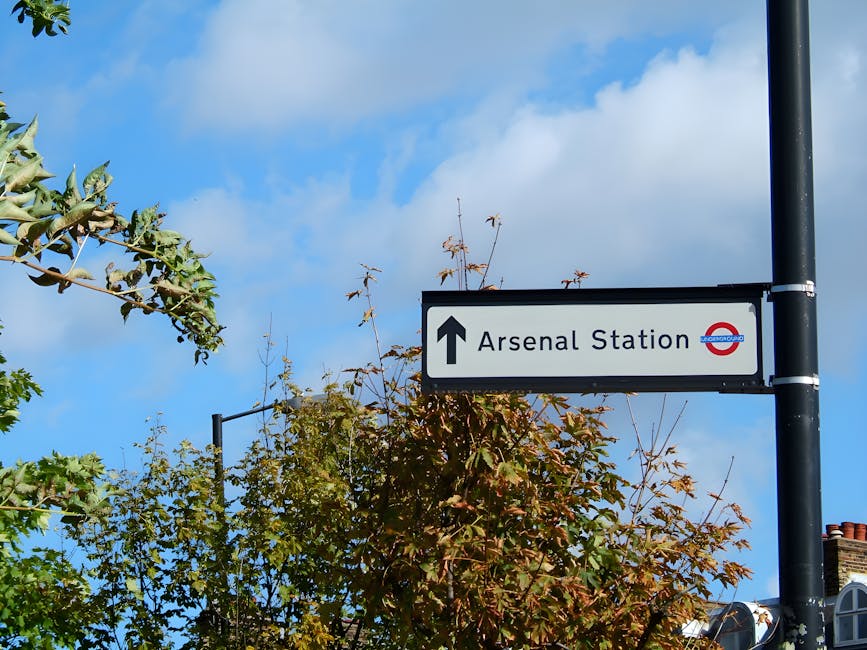
Highbury and Islington station removals narrow stair tips: a practical guide for tight staircases, awkward turns and safer moves
If you are moving near Highbury and Islington station, narrow staircases can turn a simple removals job into a bit of a puzzle. One minute you are carrying a sofa, the next you are trying to angle it past a handrail, a landing, and a front door that never seems quite wide enough. To be fair, that is just London housing in many pockets around the station: converted flats, period buildings, compact maisonettes, and stairwells designed long before modern furniture existed.
This guide on Highbury and Islington station removals narrow stair tips is built for exactly that reality. You will find practical ways to prepare, move, protect your belongings, and avoid the common mistakes that make tight-stair moves stressful. Whether you are moving a studio flat, a family home, or a single awkward item, the aim is the same: keep things safe, keep things moving, and avoid the classic "it looked fine in the hallway" moment.
Along the way, we will also cover when to use a man with van in Highbury, why flat removals in Highbury often need different planning from house moves, and how to handle access issues without panic. It is all very doable, honestly, if you know what to look for.
Why Highbury and Islington station removals narrow stair tips Matters
Moves around Highbury and Islington station are often different from suburban removals because access is tighter, parking can be less forgiving, and many properties sit above street level. A staircase that looks manageable at first glance can become the main obstacle once you start carrying beds, wardrobes, white goods, or boxed-up life-in-general up and down it. One awkward turn can slow the entire move.
The reason this matters is simple: stairs are where most avoidable damage happens. Scratches on bannisters, chipped paint on walls, scuffed furniture corners, and strained backs usually happen when access is underestimated. If you are moving at the end of a lease or trying to keep a landlord, agent, or neighbour happy, that matters a lot more than people expect.
There is also a timing issue. Around station areas, narrow stair moves tend to run better when everything is planned in advance. The team knows what to bring, the route is clear, and fragile items are wrapped before the first lift. No drama. No guessing.
For readers comparing service options, it may help to look at the broader removal services in Highbury available for different property types, because not every move needs the same level of vehicle size, manpower, or packing support.
How Highbury and Islington station removals narrow stair tips Works
At its core, a narrow-stair removal is about measuring, planning, and sequencing. The trick is not brute force. It is choreography, really. You work out which items can go first, which need dismantling, and which might need a different route altogether, such as a balcony lift, front-window carry, or simply a different van size and loading plan.
A good removal team will usually start with a quick access assessment. That may be a conversation, photos, a video walkthrough, or a visit where needed. They will want to know:
- how many flights of stairs there are
- whether the stairwell is straight or has a tight bend
- if there are low ceilings, narrow landings, or awkward door frames
- what furniture needs moving, especially large or fragile items
- where the van can realistically park
Once that is clear, the move is broken into sensible stages. Heavy furniture may be dismantled before moving day. Sofas may be wrapped and carried on edge. Fridges and washing machines may need extra handling. Boxes are stacked by priority so the things you need first are not buried somewhere under three layers of winter coats and kettle cables.
If you are moving a smaller load, a man and van in Highbury can be a practical fit. For larger homes or more complex access, house removals in Highbury may be the better route, especially where multiple crew members are needed to control heavy items on stairs.
Small detail, but important: tight stair moves are usually easier when the team is not rushed. A slightly slower, more deliberate approach often saves time overall because there is less backtracking and fewer "nearly there" moments.
Key Benefits and Practical Advantages
Getting the stair strategy right brings more than just convenience. It improves safety, protects the property, and makes the whole move feel less like a scramble.
- Less damage risk: walls, banisters, doors, and furniture are easier to protect when the route is planned properly.
- Better control over heavy items: narrow stairwells are much easier to manage with the right carry technique and enough people.
- Faster overall move: planning avoids delays caused by items that will not fit or need last-minute dismantling.
- Less stress on moving day: clear roles and preparation mean less confusion, which helps everyone.
- Reduced risk of injury: awkward lifting on stairs is one of those jobs that can go wrong quickly if corners are cut.
There is also a quiet benefit that people only notice after the move: confidence. When you know the route works, the job becomes far less emotionally draining. That matters on a day when you are already juggling keys, utilities, parking, and the strange feeling that your whole life is sitting in labelled boxes.
If you are moving items that need extra care, a specialist service such as furniture removals in Highbury or even piano removals in Highbury can make a real difference. A piano on a tight staircase is not the place for improvisation. Let's just say that.
Who This Is For and When It Makes Sense
This kind of planning is useful for anyone moving in or around the station area, but it is especially relevant if your property has internal stairs, split levels, or period proportions. Think converted terraces, Victorian flats, basement units, or top-floor apartments where every item has to go up several flights. You know the sort.
It makes particular sense for:
- people moving into or out of a flat near Highbury and Islington station
- students with shared accommodation and limited access space
- families relocating from maisonettes or terraced homes
- landlords arranging end-of-tenancy clearance
- anyone moving bulky furniture through a narrow staircase
It is also relevant if you are working to a deadline. Maybe you have to vacate by midday, maybe the new tenants are arriving the same afternoon, or perhaps you only have a small parking window. In those situations, using a same-day removals service in Highbury can be useful, provided access has been assessed carefully. Speed helps, but only when the move is organised well.
Truth be told, if the staircase already feels like a squeeze with a backpack on, it probably deserves a proper plan rather than a guess.
Step-by-Step Guidance
Here is a straightforward approach that works well for narrow stair moves around the station area.
- Measure the awkward bits first. Stair width, landing space, door frames, ceiling height, and the size of your largest item all matter. Do not assume "it should fit". That phrase has caused more trouble than it deserves.
- List bulky or delicate items. Sofas, beds, wardrobes, mirrors, desks, white goods, and anything fragile should be flagged early.
- Decide what should be dismantled. A bed frame or wardrobe that comes apart cleanly is often safer than trying to angle it through a tight corner in one piece.
- Clear the route. Remove coat stands, mats, loose boxes, shoes, and anything that could trip someone on the stairs.
- Protect surfaces. Use blankets, cardboard, corner guards, and wrapping where needed. Even a small knock on a painted wall can leave a mark you will notice every time you walk past it.
- Load in the right order. Heavier and bulkier items usually need more space and more control, so they should not be left until the end if that creates a pile-up.
- Keep a landing zone clear. Someone should be able to set an item down safely without blocking the staircase.
- Check the exit plan. The route out of the building matters as much as the route down the stairs. A van parked a few extra metres away can change the whole rhythm of the job.
If you are packing yourself, the right supplies help. Good boxes, tape, wrapping paper, and mattress covers are not glamorous, but they save a lot of grief later. You can find practical support through packing and boxes in Highbury if you want to reduce breakage and make stair carrying cleaner and safer.
Practical summary: measure first, dismantle where sensible, protect the route, and keep the landing clear. That combination solves a surprising amount.
Expert Tips for Better Results
These are the small things that experienced removers tend to notice straight away, and they can save you more time than a big grand plan ever will.
- Use the smallest safe turning angle. On narrow staircases, trying to "force" a piece through usually makes things worse. Rotate slowly and reset if needed.
- Take photos of your stairwell in advance. A good photo of the bottom turn, the landing, and the front door can be more useful than a vague description.
- Do not overfill boxes. Heavy boxes are the ones that become awkward on stairs. One overpacked box can cause more trouble than five reasonable ones.
- Move one large item at a time. It sounds obvious, but people often try to rush and end up crowding the stairwell.
- Keep children and pets away from the route. Even calm dogs and curious little ones can be a distraction at the wrong moment.
- Leave a buffer for surprises. Sometimes the stair banister sits lower than expected, or a wardrobe has a protruding handle. Build in a bit of breathing room.
There is a separate lesson here about judgement. If an item seems borderline, step back and reassess rather than gambling on muscle alone. A minute of thinking can save a very long afternoon. And sometimes, a cup of tea after a hard bit helps, obviously.
For complex or high-value items, it is worth reading up on provider standards too. The pages on insurance and safety and the company's health and safety policy are useful starting points if you want reassurance about how risks are handled.
Common Mistakes to Avoid
A narrow staircase exposes weak planning very quickly. Here are the mistakes that tend to cause the most trouble.
- Assuming all furniture will fit: many pieces only fit if they are dismantled or carried at a specific angle.
- Ignoring landings: the staircase itself may be fine, but the landing turn can be the real problem.
- Leaving packing until late: rushed packing creates weak boxes and poor labelling, which slows everything down.
- Forgetting parking limitations: even a perfect staircase plan fails if the van cannot get close enough.
- Not measuring the biggest item: you should know the dimensions of your sofa, mattress, wardrobe or appliance before moving day.
- Trying to carry too much at once: that usually leads to bumps, dropped items, or a very awkward pause in the stairwell.
A quieter mistake is under-communicating. If your building has a basement step, a shared hall, a gate code, or a front door that sticks a little when it is cold, mention it. These tiny details matter more than people think. On a rainy London morning, even the simplest move can become oddly sticky, literally.
If your move is part of a broader property change, you may also want a read-through of Highbury property purchase tips or strategic property investment in Highbury if you are planning ahead and want to think beyond moving day.
Tools, Resources and Recommendations
You do not need a warehouse full of equipment for a tight stair move, but the right tools make a big difference. A few well-chosen items can make the work safer and calmer.
| Tool or resource | Why it helps | Best use |
|---|---|---|
| Furniture blankets | Protect edges and reduce scuffs | Large wooden items, desks, beds, wardrobes |
| Stretch wrap | Keeps drawers and doors secure | Cabinets, mattresses, delicate surfaces |
| Corner guards | Helps protect bannisters and walls | Narrow stair corners and tight landings |
| Good-quality boxes | Reduces collapse risk on stairs | Books, kitchen items, electronics |
| Storage option | Gives breathing room if access timing is messy | Moves with date gaps or delayed completion |
For some moves, temporary storage is the difference between a smooth day and a domino effect of delays. If completion dates do not quite line up, or you need to split the move into two parts, storage in Highbury can be very handy.
It is also worth using a company page that clearly explains service scope, pricing expectations, and support options. A helpful place to start is the services overview and the pricing and quotes information, especially if you want to compare how a narrow-stair move might be quoted versus a straightforward ground-floor job.
For people needing a smaller vehicle or a flexible crew, a removal van in Highbury can be enough. For more substantial moves, the structure of the job matters more than the size of the van alone.
Law, Compliance, Standards, or Best Practice
For most home moves, the main compliance concerns are practical rather than complicated. Safety, access, insurance, and fair handling of property are the big ones. If a removal team is using shared hallways, stairwells, or communal areas, they should work carefully to avoid obstruction and damage. In flats and converted buildings, that usually means planning well, moving efficiently, and respecting the space and other residents.
It is sensible to choose a provider that is transparent about terms, payment, complaints handling, and safety. If something goes wrong, you want a clear process rather than guesswork. That is why pages such as terms and conditions, complaints procedure, and payment and security are worth reviewing before you book.
Insurance is another point worth treating seriously. A move through narrow stairs raises the risk of accidental knocks, so you should ask what cover is included, what exclusions apply, and how fragile items are handled. A cautious, honest answer is a good sign. If a company glosses over the detail, that is not ideal.
For environmentally minded readers, you may also want to see whether packing waste, unwanted furniture, and reusable materials are handled responsibly. The recycling and sustainability page is useful if you want to understand disposal and reuse practices before move day.
Expert note: a trustworthy mover is usually the one who asks awkward questions early. That is a good thing. It means fewer surprises later.
Options, Methods, or Comparison Table
Not every narrow-stair move needs the same approach. Here is a simple comparison to help you decide what makes sense.
| Option | Best for | Strengths | Watch-outs |
|---|---|---|---|
| DIY move with friends | Very small loads and light furniture | Lower cost, flexible timing | Higher risk of damage or injury, limited experience on stairs |
| Man and van | Small to medium loads, quick local moves | Flexible, efficient, often a good value | May not suit heavy or complex items without extra help |
| Full house removals team | Multi-room homes, bulky furniture, stricter timings | More manpower, better handling of access issues | Usually more expensive than a basic small-load move |
| Specialist item service | Pianos, antiques, oversized or fragile pieces | Best protection and handling for difficult items | Needs early planning and clear item details |
If your move is all boxes and a bed frame, a smaller solution may be enough. If it is a third-floor flat with a corner stairwell and a heavy wardrobe, you probably want more support. That is not overcautious; it is sensible.
People in compact apartments often find that flat removals in Highbury offer the right blend of planning and flexibility. If you are moving furniture first and boxes later, a second-phase move can sometimes be arranged too. Not glamorous, but practical.
Case Study or Real-World Example
Picture a typical move near the station: a one-bedroom flat on an upper floor, a narrow staircase with a half-landing, and a sofa that looked perfectly normal in the shop but now seems to have developed a personal grudge against geometry. The residents have packed most of their boxes, but the wardrobe is still assembled, and the mirror is leaning nervously by the wall.
The first step is an access check. The mover asks for photos of the staircase, the hallway, and the largest furniture pieces. It turns out the sofa will not comfortably make the second turn unless it is carried on edge, and the wardrobe needs to come apart. The bed base is manageable but only if the stairwell is cleared fully.
On moving day, the team protects the bannister, sets boxes in order, and moves the largest item first while everyone is fresh. The sofa takes a slow, careful pivot at the landing. Someone calls out clear directions. Nobody rushes. There is a brief pause, a slightly awkward shuffle, then it slides through. Job done.
The move is not magical. It is just organised. And that is the point. Most narrow-stair jobs around Highbury and Islington station go well when the team has enough information before they arrive. A little planning up front usually saves a lot of sighing later.
If you want to see how location-specific guidance can improve the move overall, the local guide to exploring Highbury as a local gives useful context for the neighbourhood, while Highbury living insights from locals can help set expectations about day-to-day access and property style.
Practical Checklist
Use this checklist before your move. It is simple, but it catches a lot.
- Measure the staircase, landings, and door frames
- Measure the largest furniture pieces
- Take photos or a short video of the access route
- Confirm parking and van access near the property
- Dismantle furniture where sensible
- Pack heavy items into smaller boxes
- Protect fragile corners, mirrors, and screens
- Clear the hallway, stairs, and landing
- Check building rules for communal access if relevant
- Keep keys, documents, and essentials with you
- Confirm insurance, timings, and payment details
- Plan where boxes will go in the new property
Quick reality check: if you cannot clearly picture how the biggest item moves from the front room to the van, that is a sign to pause and re-plan. Better now than when you are halfway down the stairs with a sofa wedged in place.
Conclusion
Narrow stair removals near Highbury and Islington station are not impossible, not even close. They just need the right mix of measurement, patience, and proper handling. Once you know the route, the dimensions, and the likely pinch points, the move becomes much more manageable. That is the real win here.
Whether you are dealing with a compact flat, a larger family home, or one awkward piece of furniture that refuses to cooperate, the same principles hold: plan early, protect the route, move deliberately, and use the right level of help. If the job feels tight, it probably is. That is exactly why specialised local removal support exists.
Get a free quote today and see how much you can save.
And if you are still at the "staring at the staircase and hoping for the best" stage, do not worry. Most moves start there. A calm plan turns a tricky day into a successful one, and honestly, that makes all the difference.
Frequently Asked Questions
How do I know if my sofa will fit down a narrow staircase?
Measure the sofa, the staircase width, the landing turns, and the height available at the tightest point. If the sofa is close to the limit, factor in the angle it must turn. In many cases, removing legs or carrying it on edge helps, but not always.
Should I dismantle furniture before a move near Highbury and Islington station?
Usually, yes, if the item can be safely dismantled and rebuilt. Wardrobes, bed frames, and some desks are much easier to move in sections. If the item is fragile or specialist, ask the removal team before taking it apart.
What is the best service for a small flat move with tight stairs?
A small local crew or man and van service in Highbury is often a good fit for compact moves. If you have heavier furniture or multiple flights of stairs, you may need a larger team.
Can removal teams protect my walls and bannisters?
Yes, a good team can use blankets, guards, and careful handling to reduce damage risk. Protection works best when the route is clear and the move has been planned in advance.
How much notice should I give for a narrow-stair move?
As much as possible. A few days can sometimes be enough for a simple local job, but more notice is better for bulky items, complex access, or moves that need dismantling and packing support.
What if parking is difficult near the station?
Let the removal company know early. Parking and loading space can change the whole move plan. A team that understands local access issues will usually factor this into timing and vehicle choice.
Do I need insurance for a staircase move?
It is sensible to check what cover is included. Narrow staircases increase the chance of knocks and scrapes, so ask about insurance, exclusions, and how fragile items are handled before booking.
Is same-day removal a good idea for tight stairs?
It can be, if the load is manageable and access has been assessed properly. If the move is larger or more complex, same-day service may be too rushed for a staircase-heavy property.
What items are most difficult to move on narrow stairs?
Sofas, mattresses, wardrobes, pianos, large mirrors, and appliances are usually the toughest. Items with awkward corners or no easy grip points are especially challenging.
How can I make moving day less stressful?
Pack early, label clearly, clear the route, keep essentials separate, and confirm timings with the removal team. A calm start helps a lot. Small thing, big difference.
Are there special rules for moving in shared flats or converted buildings?
Often there are building or landlord expectations about access, noise, and communal areas. It is wise to check these in advance and keep the stairwell clear for other residents.
Where can I find more local guidance about moving in Highbury?
Useful starting points include the Highbury Fields removals guide for garden apartment moves and the wider removals in Highbury page, which can help you match the service to the property type.
Related reading: if you are still comparing options, it can be helpful to look at the wider local service pages and a couple of practical guides before you book. That extra five minutes often saves a lot of back-and-forth later.